

مصدر الكتاب
تم نشر هذا الكتاب بهدف النفع العام، وذلك بموجب رخصة المشاع الإبداعي، أو بناءً على موافقة من المؤلف أو دار النشر. في حال وجود أي اعتراض على النشر، يُرجى التواصل معنا لنتخذ الإجراء المناسب.
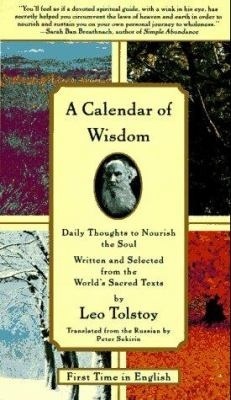
A Calendar of Wisdom PDF - ليو تولستوي
ليو تولستوي • أدب • ٣٨٤ الصفحات
(0)
اقتباس
مراجعة
حفظ
مشاركة
وصف الكتاب
A Calendar of Wisdom by Leo Tolstoy: Daily Reflections for Inner Life, Moral Clarity, and Spiritual Thought
A Calendar of Wisdom: Daily Thoughts to Nourish the Soul by Leo Tolstoy is a deeply reflective work that brings together daily meditations on how to live with greater truth, compassion, discipline, humility, and spiritual awareness. Unlike Tolstoy’s great novels, this book is not built around fictional characters or dramatic plot; instead, it is arranged as a year-long companion for contemplation, offering a thought for each day and inviting the reader to pause, examine life, and return to what is essential. It is a book for readers searching for daily wisdom, spiritual nourishment, moral philosophy, and a calmer, more meaningful way to engage with the questions of everyday existence.
Created during the final period of Tolstoy’s life, A Calendar of Wisdom reflects the mature concerns of a writer who had already achieved worldwide literary fame through works such as War and Peace and Anna Karenina, yet continued to search for a simpler and more universal understanding of truth. In this collection, Tolstoy gathers insights from sacred texts, philosophers, religious teachers, and moral thinkers, shaping them into a daily reading experience that feels both ancient and personal. The result is not a conventional self-help book, nor a purely religious devotional, but a thoughtful guide to the inner life, written for readers who want to think seriously about conscience, kindness, freedom, faith, work, love, and the purpose of human life.
A Year of Daily Thoughts to Nourish the Soul
The central appeal of A Calendar of Wisdom lies in its daily structure. Each entry offers the reader a focused moment of reflection, making the book easy to approach slowly, one page at a time. Rather than demanding long uninterrupted reading sessions, it invites a rhythm of attention: a thought in the morning, a pause during the day, or a quiet moment before sleep. This makes it especially valuable for readers who enjoy daily inspirational books, spiritual reflection books, or philosophical meditations that can become part of a personal routine.
Tolstoy’s selections move across many traditions and voices, yet the book remains unified by a clear moral purpose. Again and again, the readings return to questions that have always mattered: How should a person live? What makes a life good? How can one resist selfishness, pride, anger, and distraction? What does it mean to love others honestly? How can wisdom become action rather than merely thought? These questions give the book its enduring strength. The entries are brief enough to be absorbed easily, but many of them continue to unfold in the mind long after the page is closed.
Tolstoy’s Search for Universal Wisdom
Readers who know Tolstoy primarily as a novelist will find in A Calendar of Wisdom a different but closely related side of his genius. The same moral seriousness that gives depth to his fiction appears here in a more direct form. Tolstoy was not interested in wisdom as decoration or intellectual performance; he wanted ideas that could shape the way people live. This book reflects his belief that the most important knowledge is not technical, social, or political, but ethical and spiritual: the knowledge of how to live well.
Because of that focus, A Calendar of Wisdom by Leo Tolstoy speaks to a wide audience. It can be read by admirers of classic literature who want to understand Tolstoy’s later thought, by spiritual readers looking for a daily guide, by students of philosophy interested in moral reflection, and by anyone who feels the need for quiet, intelligent companionship in a noisy world. The book does not ask the reader to accept a narrow doctrine. Instead, it encourages careful attention to the wisdom found across cultures, religions, and centuries, while always returning to the responsibility of the individual soul.
Themes of Morality, Faith, Simplicity, and Compassion
One of the strongest themes in A Calendar of Wisdom is the importance of moral self-examination. Tolstoy repeatedly directs attention away from outward success and toward inward truth. The book asks readers to consider whether their actions are guided by conscience, whether their relationships are shaped by love, and whether their ambitions serve life or merely feed ego. This gives the collection a quiet but powerful seriousness. It does not flatter the reader; it gently challenges the reader to live with more honesty.
Another important theme is simplicity. Tolstoy’s later writings often express suspicion toward luxury, vanity, social status, and empty intellectualism. In this book, that concern appears as a call to return to the essentials: kindness, patience, humility, truthful speech, useful work, and reverence for life. For modern readers, this makes the book feel surprisingly relevant. In an age of constant noise, comparison, and distraction, A Calendar of Wisdom offers a slower and more grounded way of thinking, one that values depth over speed and conscience over appearance.
Compassion also runs throughout the book. Tolstoy’s wisdom is not isolated or purely private. The inner life matters because it changes how one treats others. Many of the daily thoughts point toward mercy, forgiveness, nonviolence, service, and the recognition of shared humanity. This makes the book especially meaningful for readers who want spiritual reading that is not detached from real life. Its reflections are inward, but their purpose is outward transformation: a more peaceful heart, a more disciplined mind, and a more loving way of being in the world.
A Reading Experience That Is Quiet, Serious, and Restorative
The reading experience of A Calendar of Wisdom: Daily Thoughts to Nourish the Soul is calm, meditative, and cumulative. It is not a book designed to be rushed. Its value grows through repetition, patience, and return. A single entry may seem simple at first, but when read in the context of a full year, the book becomes a steady education in moral attention. It encourages the reader to live more deliberately and to measure life by deeper standards than success, comfort, or public approval.
This makes the book ideal for readers who appreciate classic spiritual literature, daily meditations, wisdom literature, and books on the meaning of life. It also works well as a reflective companion for journaling, prayer, meditation, or personal study. Some readers may choose to read it according to the calendar, while others may move through it at their own pace. Either way, the book rewards a thoughtful approach. It is less concerned with giving quick answers than with helping the reader develop a wiser and more attentive mind.
Who Should Read A Calendar of Wisdom?
A Calendar of Wisdom is especially suited for readers who are drawn to books that combine literature, philosophy, and spirituality. Admirers of Leo Tolstoy will find it valuable because it reveals the ethical and religious concerns that shaped his later years. Readers interested in moral philosophy, Christian thought, universal spiritual teachings, and daily devotional reading will also find much to appreciate. The book is accessible enough for casual daily reading, yet profound enough to support repeated study over many years.
It is also a meaningful choice for anyone going through a period of questioning, transition, grief, or inner searching. Tolstoy does not offer easy optimism or shallow comfort. Instead, he offers something more durable: the conviction that a human being can live with greater truth, that wisdom can be practiced, and that the soul can be nourished through daily attention to what is good. For readers seeking a book that encourages reflection without noise, seriousness without heaviness, and spirituality without narrowness, A Calendar of Wisdom remains a powerful and rewarding work.
A Timeless Companion for Thoughtful Living
A Calendar of Wisdom by Leo Tolstoy endures because it speaks to needs that do not disappear with time. People still search for meaning, still struggle with fear and pride, still long for peace, still wonder how to live with integrity. Tolstoy’s collection responds to those needs with patience, moral courage, and deep respect for the human soul. It gathers wisdom not as a museum of quotations, but as a living guide for daily life.
For readers looking for a thoughtful daily wisdom book, a classic work of spiritual reflection, or a meaningful introduction to Tolstoy’s later moral vision, A Calendar of Wisdom: Daily Thoughts to Nourish the Soul offers a quiet and lasting source of guidance. It is a book to keep nearby, to revisit often, and to read not only for information, but for renewal.
ليو تولستوي
ليو تولستوي هو أحد أعظم الروائيين والمفكرين في تاريخ الأدب العالمي، وكاتب روسي ارتبط اسمه بالرواية الواقعية الكبرى وبالأسئلة الأخلاقية والروحية التي تتجاوز حدود الزمن واللغة. وُلِد في أسرة أرستقراطية روسية، ونشأ في بيئة ريفية كان لها أثر عميق في خياله الأدبي ونظرته إلى الإنسان والطبيعة والعمل والحياة البسيطة. لم يكن تولستوي مجرد مؤلف روايات طويلة، بل كان صاحب مشروع إنساني واسع حاول من خلاله فهم معنى الوجود، ومصدر الخير، وحدود السلطة، وعلاقة الفرد بالمجتمع، وقيمة الضمير في مواجهة العنف والحرب والزيف الاجتماعي. اشتهر عالميا بروايتيه الكبيرتين «الحرب والسلام» و«آنا كارنينا»، وهما عملان يعدان من قمم الأدب العالمي، لأنهما يجمعان بين السرد الواسع، والتحليل النفسي العميق، وتصوير الحياة العائلية والاجتماعية، والتأمل في التاريخ والمصير الإنساني. في «الحرب والسلام» قدّم تولستوي صورة بانورامية للمجتمع الروسي في زمن الحروب النابليونية، ولم يكتف بوصف المعارك والسياسة، بل ركز على الإنسان العادي داخل الأحداث الكبرى، وعلى الطريقة التي تتشكل بها القرارات التاريخية من تداخل آلاف الإرادات والمصادفات. أما في «آنا كارنينا» فقد بلغ ذروة نادرة في تصوير العاطفة، والزواج، والخيانة، والغيرة، والضغط الاجتماعي، وصراع المرأة والرجل مع القيم السائدة والرغبة في حياة صادقة. يتميز أسلوب تولستوي بالوضوح والقوة والاتساع، فهو يكتب عن التفاصيل اليومية كما لو كانت مفاتيح لفهم الروح البشرية، ويمنح شخصياته حياة داخلية معقدة تجعل القارئ يشعر بأنها كائنات حقيقية لا مجرد أدوات في حبكة روائية. تظهر في أعماله موضوعات متكررة مثل البحث عن الحقيقة، ونقد الامتياز الطبقي، والتعاطف مع الفلاحين، والقلق من العنف، والإيمان بالبساطة، ورفض النفاق، والسعي إلى إصلاح الذات قبل إصلاح العالم. وفي مراحل لاحقة من حياته اتجه تولستوي بقوة إلى التفكير الديني والأخلاقي، فكتب نصوصا مؤثرة عن اللاعنف، والمقاومة السلمية، والزهد، ومعنى المسيحية العملية، وأثر ذلك في مفكرين وحركات اجتماعية حول العالم. إن مكانة تولستوي لا تقوم فقط على ضخامة أعماله أو شهرتها، بل على قدرته النادرة على الجمع بين الرواية والفلسفة، وبين العاطفة والتحليل، وبين جمال السرد وقسوة السؤال الأخلاقي. لذلك بقي اسمه حاضرا في قوائم أعظم الكتّاب، وتُقرأ أعماله في الجامعات والمكتبات ودور النشر بوصفها نصوصا مؤسسة في فهم الرواية الحديثة. ومن يقرأ تولستوي يجد أمامه كاتبا يرى أن الأدب ليس تسلية عابرة، بل وسيلة لكشف الإنسان أمام نفسه، وإعادة طرح الأسئلة الكبرى عن الحب، والموت، والأسرة، والإيمان، والحرب، والحرية، والعدالة. لقد ترك ليو تولستوي إرثا أدبيا وفكريا لا يزال مؤثرا في القراء والروائيين والباحثين، لأن كتابته تمنح العالم صورة واسعة ومؤلمة وجميلة عن الإنسان في ضعفه وقوته، وفي تناقضه ورغبته الدائمة في الخلاص والمعنى.
اكسب مكافآت أثناء القراءة!
كل 10 صفحات تقرؤها وتقضى فيها 30 ثانية تمنحك 5 نقاط مكافأة! واصل القراءة لفتح الإنجازات والمزايا الحصرية.
اقرأ
قيم الآن
5 نجوم
4 نجوم
3 نجوم
2 نجوم
1 نجوم
اقتباسات A Calendar of Wisdom
الأعلى تقييماً
الأحدث
اقتباس
كن أول من يترك اقتباسًا واكسب 10 نقاط
بدلاً من 3
'%20/%3e%3c/svg%3e "War and Peace")
التعليقات
كن أول من يترك تعليقًا واكسب 5 نقاط
بدلاً من 3