

مصدر الكتاب
تم نشر هذا الكتاب بهدف النفع العام، وذلك بموجب رخصة المشاع الإبداعي، أو بناءً على موافقة من المؤلف أو دار النشر. في حال وجود أي اعتراض على النشر، يُرجى التواصل معنا لنتخذ الإجراء المناسب.
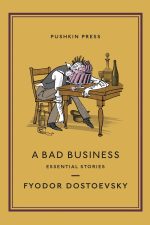
A Bad Business PDF - فيودور دوستويفسكي
فيودور دوستويفسكي • أدب • ١٦٤ الصفحات
(0)
اقتباس
مراجعة
حفظ
مشاركة
وصف الكتاب
A Bad Business by Fyodor Dostoevsky
A Bad Business by Fyodor Dostoevsky is a sharp, darkly comic work of Russian literature that reveals a different side of the author best known for Crime and Punishment, The Brothers Karamazov, The Idiot, and Notes from Underground. Often associated with the short story A Nasty Story or An Unpleasant Predicament, this satirical tale shows Dostoevsky at his most ironic, uncomfortable, and psychologically exact. First published in 1862 under the Russian title Skverny anekdot, the story belongs to Dostoevsky’s shorter fiction and centers on a civil-service general whose lofty ideas about kindness, social equality, and humane leadership collapse when he tries to put them into practice.
A Satirical Story About Idealism, Ego, and Social Class
At the heart of A Bad Business is Ivan Ilyich Pralinsky, a high-ranking official who believes himself to be enlightened, generous, and morally advanced. After discussing liberal ideas with other officials, he convinces himself that true greatness lies in treating social inferiors with warmth and humanity. The problem is not the idea itself, but the vanity behind it. Pralinsky does not simply want to be kind; he wants to witness himself being kind, to admire the beauty of his own moral performance, and to be admired by others for it.
This is where Dostoevsky’s satire becomes especially powerful. The general’s opportunity arrives when he discovers that one of his lowly subordinates is celebrating a wedding. Instead of respecting the private world of people far beneath him in rank, he decides to appear at the celebration uninvited, imagining that his presence will be taken as a noble gesture. What follows is not a simple comic misunderstanding, but a painfully funny and socially revealing disaster. Dostoevsky turns one awkward visit into a study of pride, self-deception, class tension, and the humiliating distance between abstract ideals and actual human behavior.
Dostoevsky’s Dark Comedy and Psychological Precision
Readers who come to Fyodor Dostoevsky expecting only tragic intensity may be surprised by the comic energy of A Bad Business. The story is filled with embarrassment, absurdity, drunken confidence, social misreading, and the grotesque comedy of a man who cannot understand the effect he has on others. Yet the humor is never light in a simple sense. Dostoevsky’s comedy cuts deeply because it exposes the inner contradictions of a character who believes himself compassionate while remaining trapped inside his own privilege.
The brilliance of the story lies in its psychological realism. Pralinsky’s mind is not presented as purely foolish or purely malicious. He has moments of sincerity, but they are mixed with vanity, insecurity, sentimentality, and a desperate need to be morally impressive. This makes A Bad Business an ideal reading choice for anyone interested in Dostoevsky short stories, Russian satire, psychological fiction, and classic literature that examines the hidden motives behind apparently noble actions.
A Classic Russian Story with Modern Relevance
Although A Bad Business is rooted in nineteenth-century Russian society, its themes remain strikingly modern. The story asks questions that still feel familiar: What happens when compassion becomes a performance? Can a person truly help others while secretly using them to confirm a flattering image of himself? How easily can social power turn even a generous gesture into an intrusion? Dostoevsky does not answer these questions with a lecture. Instead, he builds a scene of social discomfort so vivid that the reader feels the moral problem unfold from within.
This is one reason the story continues to appeal to readers looking for classic books about hypocrisy, social class, bureaucracy, and moral self-deception. Pralinsky’s failure is not merely personal; it reflects a wider world in which hierarchy shapes every conversation, every silence, and every attempt at intimacy. The wedding feast becomes a miniature society, where poverty, ambition, embarrassment, resentment, and fear all gather around the unexpected arrival of authority.
For Readers of Russian Literature and Dostoevsky’s Major Novels
A Bad Business is especially rewarding for readers who want to explore Dostoevsky beyond his longest and most famous novels. It contains many of the qualities that define his mature work: intense self-consciousness, moral conflict, social pressure, humiliation, and the painful comedy of human contradiction. At the same time, its shorter form makes it a more accessible entry point into his world. Readers who appreciate Notes from Underground will recognize Dostoevsky’s fascination with wounded pride and self-torment, while those who admire Crime and Punishment may notice the same interest in the unstable border between idea and action.
The story also shows Dostoevsky’s range as a writer. In modern editions such as A Bad Business: Essential Stories, the title is often presented alongside other examples of his short fiction, highlighting his ability to move from black humor and satire to tenderness, fantasy, and psychological intensity. Translator Maya Slater describes the selection as intended to show the breadth of Dostoevsky’s writing, including his extravagant black humour and his compassionate portraits of vulnerable lives.
Themes of Humiliation, Power, and Failed Good Intentions
One of the most important themes in A Bad Business is humiliation. Dostoevsky understands humiliation not merely as an external event, but as an inner atmosphere. Characters feel watched, judged, lowered, exposed, and misunderstood. Pralinsky’s status gives him power, yet it also blinds him to the emotional reality of those around him. The poorer guests cannot simply respond to him as a man; they must respond to him as an official, a superior, a force that can affect their lives. His attempt at friendliness therefore becomes charged with anxiety.
Another major theme is the failure of good intentions when they are not joined to genuine humility. Dostoevsky is not rejecting kindness or social responsibility. He is examining false kindness: kindness that descends from above, kindness that seeks applause, kindness that ignores the dignity of the person supposedly being helped. This gives A Bad Business its lasting moral force. The story suggests that true humanity requires more than progressive language or sentimental feeling; it requires self-knowledge, restraint, and the ability to see others without turning them into props in one’s own drama.
Why A Bad Business Is Worth Reading
A Bad Business by Fyodor Dostoevsky is a compact but powerful classic for readers who enjoy literature that is funny, uncomfortable, intelligent, and morally searching. It offers the pleasure of satire while also delivering the psychological depth associated with Dostoevsky’s greatest works. The story’s awkward social comedy gradually becomes a profound examination of class, conscience, and the gap between who people think they are and how they actually behave.
For students of Russian classic literature, fans of Dostoevsky’s short fiction, and readers interested in psychological satire, this book provides an excellent window into the author’s less familiar but deeply rewarding comic mode. It is a story about a “bad business” in the social sense, the moral sense, and the emotional sense: a situation that begins with self-satisfied idealism and becomes an unforgettable portrait of human weakness. Through Pralinsky’s disastrous attempt to prove his humanity, Dostoevsky creates a work that remains sharp, relevant, and unsettlingly recognizable.
فيودور دوستويفسكي
كان فيودور دوستويفسكي روائيًا وفيلسوفًا وكاتب مقالات روسيًا ، ويُعتبر على نطاق واسع أحد أعظم الكتاب في الأدب الغربي. ولد في موسكو عام 1821 ونشأ في عائلة من الطبقة المتوسطة. كان والده طبيبًا يعالج الفقراء مجانًا ، الأمر الذي غرس في دوستويفسكي إحساسًا عميقًا بالعدالة الاجتماعية والتعاطف مع المضطهدين.
بدأ دوستويفسكي مسيرته الكتابية في أربعينيات القرن التاسع عشر بسلسلة من الروايات والقصص القصيرة التي استكشفت تعقيدات الطبيعة البشرية والجانب المظلم للمجتمع الروسي. نُشرت روايته الرئيسية الأولى "فقراء" عام 1846 وحظيت بإشادة النقاد. ومع ذلك ، كانت أعماله اللاحقة ، مثل "الجريمة والعقاب" و "الأبله" و "الأخوان كارامازوف" ، هي التي جعلت منه أستاذًا أدبيًا.
تشتهر كتابات دوستويفسكي بعمقها النفسي وموضوعاتها الفلسفية واستكشاف حالة الإنسان. غالبًا ما تصارع شخصياته مع المعضلات الأخلاقية والأسئلة الوجودية ، وتتصارع مع قضايا الإيمان والأخلاق ومعنى الحياة. تستكشف أعماله أيضًا القضايا السياسية والاجتماعية في عصره ، بما في ذلك الفقر والجريمة والقمع السياسي.
اتسمت حياة دوستويفسكي بمأساة شخصية واضطراب سياسي. تم القبض عليه في عام 1849 لتورطه مع مجموعة من المثقفين الليبراليين وحُكم عليه بالإعدام ، فقط لتخفف العقوبة إلى الأشغال الشاقة في سيبيريا. عاد إلى روسيا بعد أن قضى عقوبته ، لكنه استمر في النضال ضد الفقر والمرض طوال حياته. توفي عام 1881 عن عمر يناهز 59 عامًا.
على الرغم من حياته المضطربة ، فإن إرث دوستويفسكي ككاتب ومفكر لا يزال قائما. تستمر أعماله في القراءة والدراسة على نطاق واسع اليوم ، ولا تزال أفكاره حول الحالة الإنسانية ودور الإيمان في المجتمع تلقى صدى لدى القراء في جميع أنحاء العالم.
اكسب مكافآت أثناء القراءة!
كل 10 صفحات تقرؤها وتقضى فيها 30 ثانية تمنحك 5 نقاط مكافأة! واصل القراءة لفتح الإنجازات والمزايا الحصرية.
اقرأ
قيم الآن
5 نجوم
4 نجوم
3 نجوم
2 نجوم
1 نجوم
اقتباسات A Bad Business
الأعلى تقييماً
الأحدث
اقتباس
كن أول من يترك اقتباسًا واكسب 10 نقاط
بدلاً من 3
'%20/%3e%3c/svg%3e "The Brothers Karamazov")
التعليقات
كن أول من يترك تعليقًا واكسب 5 نقاط
بدلاً من 3