

مصدر الكتاب
تم نشر هذا الكتاب بهدف النفع العام، وذلك بموجب رخصة المشاع الإبداعي، أو بناءً على موافقة من المؤلف أو دار النشر. في حال وجود أي اعتراض على النشر، يُرجى التواصل معنا لنتخذ الإجراء المناسب.
اقتباس
مراجعة
حفظ
مشاركة
وصف الكتاب
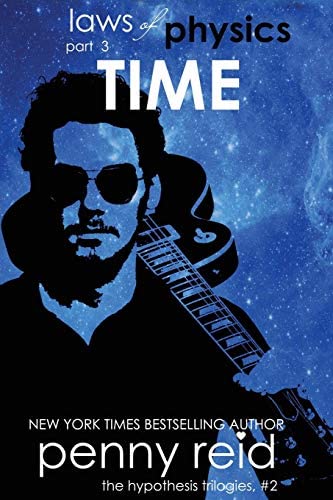
Time by Penny Reid: A Smart and Emotional Finale to the Laws of Physics Trilogy
Time by Penny Reid is the third and final installment in the Laws of Physics series, bringing the complicated, intelligent, and emotionally intense romance between Mona DaVinci and Abram Harris to its full conclusion. After the forced proximity, deception, heartbreak, and unresolved longing of Motion and Space, this final book shifts the story into a more mature emotional stage, where love is no longer only about chemistry, attraction, or timing. It becomes about forgiveness, growth, trust, and whether two people who have hurt each other can still choose a future together. Penny Reid’s official listing identifies Time as book #3 in the series, a novel of about 74,000 words, and a story that cannot be read as a standalone.
A Brokenhearted Physicist and a Musician Everywhere She Turns
At the center of Time is Mona DaVinci, a brilliant physicist who has spent most of her life believing that intelligence, preparation, and discipline could help her understand the world. Mona is used to structure. She is used to achievement. She is used to solving problems through focus and logic. But love has not followed any of her rules. After the emotional events of the previous books, Mona has learned that plans can collapse, certainty can disappear, and the heart can remain painfully attached to someone even when the mind is trying to move forward.
Abram Harris, once the talented and unpredictable musician who disrupted Mona’s carefully controlled life, is now impossible for her to avoid. After leaving her in Aspen, Abram’s music career rises dramatically, making him visible everywhere and turning private heartbreak into something Mona cannot escape. Images, songs, fame, and memory all keep him present in her life, even when he is physically absent. Penny Reid’s official premise describes Mona as a brokenhearted physicist and Abram as an infamous musician whose sudden rock-star visibility makes him impossible for her to ignore.
Mona DaVinci: Brilliant, Vulnerable, and Learning That Plans Are Not Enough
Mona has always been one of Penny Reid’s most distinctive heroines because her intelligence is not decorative; it shapes the way she moves through life. She is a woman in STEM, a prodigy, a thinker, and someone who often trusts reason more easily than emotion. But in Time, her brilliance is tested by something no equation can fully explain: the pain of loving someone, losing them, and still being unable to stop caring.
Her journey in this final book is deeply satisfying because it does not make her less logical or less intelligent in order to make her romantic. Instead, the story allows Mona to become more emotionally honest while remaining herself. She has to confront the limits of control, the danger of avoidance, and the uncomfortable truth that being right is not always the same as being happy. She must decide whether protecting herself from Abram is truly safety or simply another form of loneliness.
For readers who enjoy smart romance, STEM heroine romance, new adult romance, and emotionally layered heroines, Mona’s arc gives Time much of its heart. She is not a passive figure waiting for love to resolve everything. She is a woman learning that love requires choice, risk, humility, and courage, especially when the past still hurts.
Abram Harris: Fame, Feeling, and the Weight of Return
Abram’s return gives Time its emotional charge. In the earlier books, he is the musician who unsettles Mona’s structured life, challenges her assumptions, and makes her feel with an intensity she cannot easily manage. By this final installment, Abram is no longer simply the brother’s best friend or the unplanned distraction. He has become famous, visible, and publicly desired, but fame does not simplify what exists between him and Mona. If anything, it makes their connection more complicated.
His success creates distance and pressure. Mona sees him everywhere, but seeing a public version of someone is not the same as knowing where you stand with the real person. Abram’s fame becomes a constant reminder of what she lost, what she may still want, and what remains unfinished between them. When he returns, the question is not whether attraction still exists. The question is whether attraction can survive hurt, pride, regret, and the emotional consequences of everything that happened before.
Abram is compelling because he represents both risk and possibility. He is creative where Mona is analytical, instinctive where she is controlled, and emotionally forceful where she often tries to reason her way out of feeling. Their differences have always been part of their chemistry, but in Time, those differences must become something stronger than friction. They must become understanding.
The Final Stage of Mona and Abram’s Chemistry
The Laws of Physics trilogy uses scientific titles to trace the emotional progression of Mona and Abram’s relationship. Motion begins the reaction, setting their story in movement through proximity, deception, and sudden attraction. Space expands the distance between them, turning chemistry into emotional consequence. Time asks what remains after distance, heartbreak, and change have had their effect.
This makes the title especially meaningful. Time can heal, but it can also intensify longing. Time can create perspective, but it can also make regret harder to ignore. For Mona and Abram, time has not erased the connection between them. It has changed them, matured them, and forced them to face the difference between first passion and lasting love. Their relationship cannot return to exactly what it was, and that is part of the book’s emotional power. The real question is whether they can build something new from the truth of who they have become.
A Romance About Forgiveness, Growth, and Choosing the Future
Time is not simply about reuniting a couple who still has chemistry. It is about the harder work that comes after chemistry: forgiveness, communication, accountability, and the willingness to be vulnerable again. Mona and Abram’s story has never been easy because it began under complicated circumstances and developed faster than either character could fully manage. By the final book, both must face the emotional damage left behind by secrecy, fear, and misunderstanding.
This gives the novel a more mature tone than a simple romantic comedy. There is still humor, wit, and Penny Reid’s signature intelligence, but the emotional stakes are deeper. The story understands that love cannot be sustained by intensity alone. Passion may bring two people together, but trust is what allows them to stay. Mona and Abram must decide whether they are ready for that kind of trust, especially after learning how painful love can be when timing, honesty, and emotional readiness do not align.
Why Time Is Best Read After Motion and Space
Because Time is the conclusion of a three-part romance, it is most rewarding when read after Motion and Space. The emotional weight of this book depends on understanding how Mona and Abram met, what they meant to each other, why they were separated, and how much unresolved feeling still remains between them. The official listing clearly states that Time cannot be read as a standalone, making it a finale designed for readers who have already followed the earlier stages of the trilogy.
For readers who have stayed with Mona and Abram from the beginning, this final installment offers the payoff: the confrontation of old wounds, the return of buried feelings, and the possibility that love may still be possible after disappointment. It completes the emotional experiment that began with one lie, one unexpected week, and one connection too powerful to remain contained.
A Smart and Satisfying Conclusion to the Laws of Physics Series
Time by Penny Reid is a thoughtful, romantic, and emotionally satisfying conclusion to the Laws of Physics trilogy. With its brokenhearted physicist heroine, famous musician hero, second-chance emotional tension, science-themed structure, and focus on forgiveness after heartbreak, the book offers a strong finale for readers invested in Mona and Abram’s journey.
This is a romance about what happens after attraction has already moved too fast, space has already created distance, and time becomes the final test. Mona and Abram must decide whether the love between them is only a powerful memory or something strong enough to become a future. Clever, heartfelt, and full of emotional growth, Time completes their story with the intelligence, vulnerability, and romantic complexity that define Penny Reid’s smart romance style.
بيني ريد
بيني ريد كاتبة أمريكية معاصرة اشتهرت في أدب الرومانسية الكوميدية الذكية، وارتبط اسمها لدى القراء بأسلوب يمزج بين العاطفة، وخفة الظل، والحوار اللامع، والشخصيات التي تبدو قريبة من الحياة اليومية لا مجرد نماذج رومانسية تقليدية. تُعرف بيني ريد بأنها من الكاتبات الأكثر مبيعًا في قوائم كبرى مثل «نيويورك تايمز» و«وول ستريت جورنال» و«يو إس إيه توداي»، وقد بنت شهرتها عبر عالم روائي واسع يحب القراء العودة إليه بسبب دفئه، وتفاصيله، وقدرته على الجمع بين المتعة والذكاء. قبل تفرغها للكتابة، عملت في مجال كتابة مقترحات المنح الفيدرالية كباحثة ذات خلفية في العلوم الطبية الحيوية، وهو ما انعكس على كثير من أعمالها من خلال اهتمامها بالشخصيات الذكية، والبطلات المستقلات، والأبطال الذين لا يكتفون بالجاذبية الخارجية بل يحملون عمقًا نفسيًا وفكريًا واضحًا. ومن أبرز سلاسلها الروائية سلسلة «الحياكة في المدينة»، التي تقدم مجموعة من الصديقات في إطار حضري مرح، وسلسلة «الإخوة وينستون»، التي منحتها حضورًا قويًا في الرومانسية ذات الطابع العائلي والبلدات الصغيرة، إضافة إلى أعمال مرتبطة بعوالم مثل «الفرضية»، و«الرغبي»، و«حل الفطيرة»، و«القوم الطيبون». تتميز كتابات بيني ريد بما يمكن وصفه بالرومانسية الواعية؛ فهي لا تكتفي ببناء علاقة حب جذابة، بل تهتم بمسارات النضج، وسوء الفهم، والاختيارات الشخصية، وحدود الأسرة، وقيمة الصداقة، ومعنى أن يجد الإنسان شخصًا يراه بصدق. كما أن حسها الفكاهي لا يأتي غالبًا من المواقف السطحية فقط، بل من المفارقة، والذكاء اللفظي، والتوتر بين الشخصيات، والقدرة على جعل التفاصيل الصغيرة نافذة لفهم أكبر لطبيعة الحب. يحب قراء بيني ريد حضور الثقافة الشعبية، والإشارات العلمية، والحوارات السريعة، والشخصيات النسائية ذات الإرادة، والشخصيات الرجالية التي تتطور تدريجيًا بدل أن تكون مثالية منذ البداية. وتُعد أعمالها مناسبة لمن يبحث عن روايات رومانسية تجمع بين المتعة، والدفء، والبناء العاطفي المتدرج، واللغة القريبة من القارئ. خارج الكتابة، تُعرف بيني ريد بحبها للحياكة والأعمال اليدوية، كما ارتبط اسمها بمبادرة «رومانسية الأذكياء»، وهي مساحة نشر واحتضان إبداعي دعمت أصواتًا متنوعة في أدب الرومانسية. هذا البعد المجتمعي يعكس إيمانها بأن الرواية الرومانسية ليست نوعًا خفيفًا فحسب، بل مساحة أدبية قادرة على تمثيل التجارب الإنسانية، والاختلافات الثقافية، والرغبات العاطفية بصدق وذكاء. لذلك تحتل بيني ريد مكانة مميزة بين كاتبات الرومانسية الحديثة، لأنها تقدم قصص حب ممتعة يمكن قراءتها للتسلية، لكنها تترك أيضًا أثرًا من التعاطف، والضحك، والتفكير في العلاقات، والهوية، والاختيار، والروابط التي تصنع معنى البيت والانتماء.
اكسب مكافآت أثناء القراءة!
كل 10 صفحات تقرؤها وتقضى فيها 30 ثانية تمنحك 5 نقاط مكافأة! واصل القراءة لفتح الإنجازات والمزايا الحصرية.
اقرأ
قيم الآن
5 نجوم
4 نجوم
3 نجوم
2 نجوم
1 نجوم
اقتباسات Time
الأعلى تقييماً
الأحدث
اقتباس
كن أول من يترك اقتباسًا واكسب 10 نقاط
بدلاً من 3
'%20/%3e%3c/svg%3e "Neanderthal Seeks Human")
التعليقات
كن أول من يترك تعليقًا واكسب 5 نقاط
بدلاً من 3