

مصدر الكتاب
تم نشر هذا الكتاب بهدف النفع العام، وذلك بموجب رخصة المشاع الإبداعي، أو بناءً على موافقة من المؤلف أو دار النشر. في حال وجود أي اعتراض على النشر، يُرجى التواصل معنا لنتخذ الإجراء المناسب.
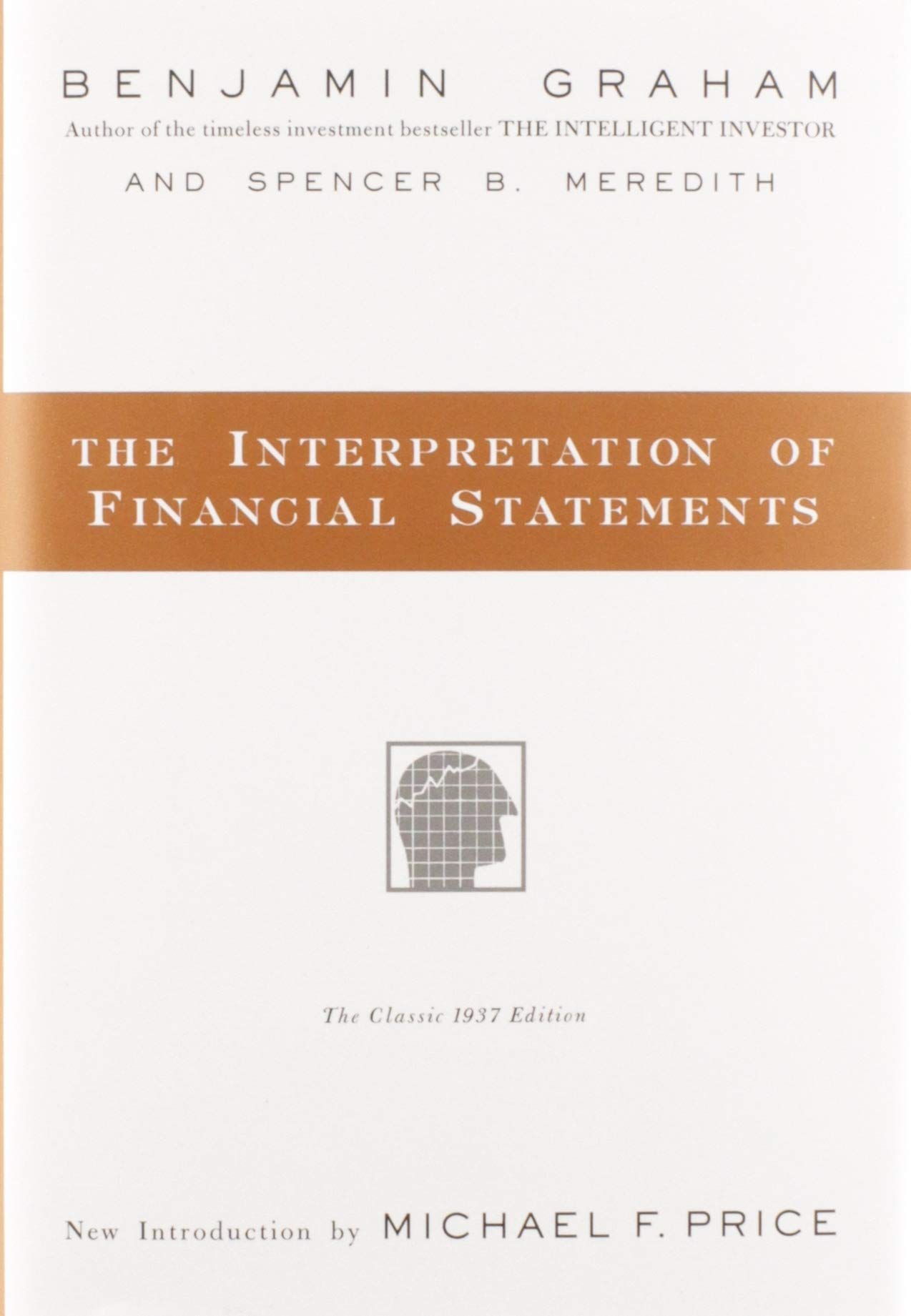
The Interpretation of Financial Statements PDF - بنيامين جراهام
بنيامين جراهام • الاقتصاد • ١٣٥ الصفحات
(0)
المؤلف
بنيامين جراهامالفئة
علوم اجتماعيةالقسم
عدد التنزيلات
٥٨
عدد القراءات
٢٦٣
حجم الملف
3.76 MB
المشاهدات
١٬٨١٩
اقتباس
مراجعة
حفظ
مشاركة
وصف الكتاب
The Interpretation of Financial Statements is a nonfiction finance and investing book by Benjamin Graham, written with Spencer B. Meredith. It was first published in 1937 by Harper & Brothers in New York, and later editions, including the widely circulated HarperBusiness edition, helped keep the work available for modern readers. WorldCat lists the original 1937 edition as a print book by Benjamin Graham and Spencer B. Meredith, published by Harper & Bros.; Open Library also notes that later versions were revisions of the book first published in 1937.
Benjamin Graham is best known as a central figure in value investing, and this book reflects the practical side of his analytical method. Rather than presenting a theory of markets or a dramatic narrative, The Interpretation of Financial Statements teaches readers how to read a company’s financial reports with care. Its purpose is to make balance sheets, income statements, and related financial data understandable to investors, business students, and anyone who wants to judge a company by evidence rather than reputation, headlines, or speculation.
The book begins with the basic idea that financial statements are the language of business. Graham explains that an investor must know what each major item means before attempting to decide whether a company is strong, weak, cheap, expensive, safe, or risky. He focuses on the balance sheet as a picture of a company’s financial position at a particular moment. Assets, liabilities, working capital, current assets, inventories, receivables, fixed assets, and debt are treated not as abstract accounting terms but as clues about business quality and financial stability.
A major part of the book is devoted to showing how these figures relate to one another. Graham’s approach is cautious and comparative. He does not encourage readers to look at a single number in isolation. Instead, he emphasizes relationships such as current assets versus current liabilities, earnings versus interest charges, sales versus inventory, and book value versus market price. These comparisons help readers understand liquidity, solvency, profitability, and the degree of protection available to investors and creditors.
The income statement receives similar treatment. Graham explains revenue, expenses, depreciation, interest, taxes, preferred dividends, and common stock earnings in a direct and accessible style. He is especially interested in the quality and consistency of earnings. For Graham, reported profits are useful only when the reader understands how they were produced and whether they are likely to be repeated. This focus connects the book to his broader investment philosophy: a security should be examined as a claim on a real business, not merely as a ticker symbol.
The book also introduces financial ratios as tools for interpretation. Ratios are presented as practical shortcuts that help investors compare companies across time or against competitors. Graham discusses measures of liquidity, capitalization, earnings power, and asset value. The goal is not to turn investing into a mechanical formula, but to give the reader a disciplined framework for asking better questions. A company with high earnings but weak finances, for example, may be less attractive than it first appears. Likewise, a company with substantial assets may still be risky if its liabilities are too heavy or its earnings are poor.
One of the lasting strengths of The Interpretation of Financial Statements is its plain language. Graham avoids unnecessary complexity and writes for readers who may not be professional accountants. The book’s examples and explanations are compact, but they encourage a habit of skepticism. Readers are taught to look beneath surface impressions and to notice whether accounting figures support or weaken an investment case.
Because accounting standards and reporting practices have changed since 1937, the book should not be used as a complete modern accounting manual. However, its core lessons remain valuable: understand the statements, compare figures carefully, examine debt and liquidity, question earnings quality, and avoid relying on market enthusiasm alone. For readers interested in Benjamin Graham’s investment method, The Interpretation of Financial Statements serves as a concise guide to the financial statement analysis that supports intelligent, evidence-based investing.
بنيامين جراهام
بنيامين غراهام هو أحد أكثر المؤلفين تأثيرًا في تاريخ الكتابة المالية الحديثة، ويُنظر إليه على نطاق واسع بوصفه الأب الفكري لمنهج الاستثمار القائم على القيمة. وُلد في لندن عام 1894، ثم انتقل مع أسرته إلى الولايات المتحدة في طفولته، ونشأ في بيئة علّمته مبكرًا معنى التقلب الاقتصادي وأهمية الحذر في إدارة المال. لم يكن غراهام مجرد كاتب يقدّم نصائح عامة للمستثمرين، بل كان مفكرًا ماليًا بنى فلسفة كاملة حول تحليل الشركات، وقياس القيمة الحقيقية للأصول، وحماية رأس المال من القرارات العاطفية والمضاربات غير المدروسة. اشتهر بكتابيه Security Analysis، الذي ألّفه مع ديفيد دود، وThe Intelligent Investor، وهو الكتاب الذي أصبح من أكثر الكتب تأثيرًا في عالم الاستثمار الفردي والمهني. في كتاباته، ركّز غراهام على فكرة أن السهم ليس رقمًا يتحرك على شاشة السوق، بل هو حصة ملكية في شركة حقيقية لها أصول، وأرباح، وديون، وإدارة، ومستقبل قابل للتقييم. هذه الفكرة البسيطة في ظاهرها غيّرت طريقة تفكير أجيال كاملة من المستثمرين، لأنها نقلت الاهتمام من متابعة الشائعات والأسعار اليومية إلى دراسة القيمة الاقتصادية العميقة. من أبرز مفاهيمه مفهوم هامش الأمان، أي شراء الأصل بسعر أقل من قيمته المقدّرة لتقليل أثر الخطأ والمفاجآت. كما قدّم صورة السوق بوصفه طرفًا متقلب المزاج يعرض أسعارًا مختلفة كل يوم، وعلى المستثمر العاقل ألا يخضع لانفعالاته، بل يستفيد من تقلباته عندما تمنحه فرصة مناسبة. عمل غراهام أستاذًا في جامعة كولومبيا، وكان تأثيره في طلابه لا يقل أهمية عن تأثيره في قرائه، إذ تتلمذ على أفكاره عدد من أشهر المستثمرين في القرن العشرين، وفي مقدمتهم وارن بافت، الذي وصفه مرارًا بأنه صاحب الأثر الأعمق في تكوينه الاستثماري. تمتاز لغة غراهام بالوضوح والانضباط والمنطق، فهي لا تغري القارئ بالثراء السريع، ولا تعتمد على الوعود اللامعة، بل تدعوه إلى الصبر، والبحث، والقراءة الدقيقة للقوائم المالية، وفهم الفرق بين السعر والقيمة. لذلك بقيت كتبه حيّة رغم تغيّر الأسواق وظهور أدوات مالية وتقنيات تداول جديدة، لأن جوهر أفكاره يقوم على الطبيعة الإنسانية نفسها: الخوف، والطمع، والمبالغة، وردود الفعل الجماعية. في وصفه للمستثمر الذكي، لا يجعل الذكاء مرادفًا للعبقرية أو القدرة على التنبؤ بالمستقبل، بل يربطه بالانضباط النفسي، والقدرة على رفض الضوضاء، والالتزام بمنهج واضح. هذه الرؤية تجعل بنيامين غراهام مؤلفًا أساسيًا لكل من يريد فهم الاستثمار بوصفه ممارسة عقلانية طويلة المدى لا لعبة قصيرة الأجل. إن إرثه لا يتمثل فقط في كتبه، بل في اللغة التي منحها لعالم المال: القيمة، الأمان، التحليل، الانضباط، والاستقلال عن مزاج السوق. ولهذا يظل اسمه حاضرًا في مكتبات المستثمرين، وفي مناهج كليات الأعمال، وفي النقاشات الجادة حول كيفية بناء الثروة بحذر ووعي ومسؤولية.
اكسب مكافآت أثناء القراءة!
كل 10 صفحات تقرؤها وتقضى فيها 30 ثانية تمنحك 5 نقاط مكافأة! واصل القراءة لفتح الإنجازات والمزايا الحصرية.
اقرأ
قيم الآن
5 نجوم
4 نجوم
3 نجوم
2 نجوم
1 نجوم
اقتباسات The Interpretation of Financial Statements
الأعلى تقييماً
الأحدث
اقتباس
كن أول من يترك اقتباسًا واكسب 10 نقاط
بدلاً من 3
كتب أخرى لـ بنيامين جراهام
'%20/%3e%3c/svg%3e "Benjamin Graham the Memoirs of the Dean of Wall Street")
1569
الإنجليزية
كتب أخرى مشابهة The Interpretation of Financial Statements
2054
الإنجليزية
التعليقات
كن أول من يترك تعليقًا واكسب 5 نقاط
بدلاً من 3