

مصدر الكتاب
تم نشر هذا الكتاب بهدف النفع العام، وذلك بموجب رخصة المشاع الإبداعي، أو بناءً على موافقة من المؤلف أو دار النشر. في حال وجود أي اعتراض على النشر، يُرجى التواصل معنا لنتخذ الإجراء المناسب.
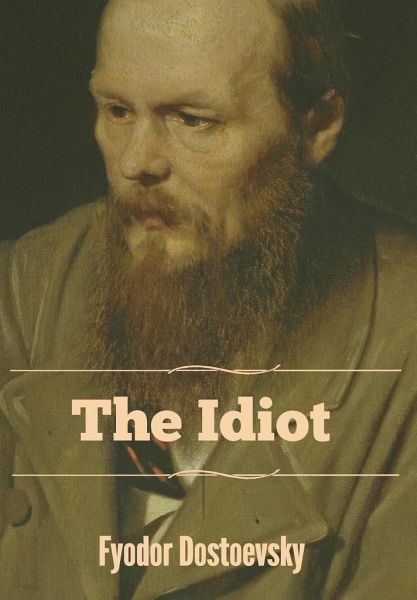
The Idiot PDF - فيودور دوستويفسكي
فيودور دوستويفسكي • روايات أدبية • ١٬١٥٠ الصفحات
(0)
المؤلف
فيودور دوستويفسكيالفئة
الادبالقسم
عدد التنزيلات
٣٧
عدد القراءات
٢٤٦
حجم الملف
2.00 MB
المشاهدات
١٬٣١٠
اقتباس
مراجعة
حفظ
مشاركة
وصف الكتاب
The Idiot by Fyodor Dostoevsky: A Profound Classic of Innocence, Compassion, and Human Contradiction
The Idiot by Fyodor Dostoevsky is one of the great psychological novels of world literature, a searching and unforgettable exploration of goodness in a society shaped by pride, money, desire, status, and moral confusion. First published in Russian in 1868–1869, the novel stands among Dostoevsky’s major works and continues to attract readers interested in classic Russian literature, philosophical fiction, psychological realism, and novels that examine the deepest tensions of the human soul.
At the center of the story is Prince Lev Nikolayevich Myshkin, a young Russian nobleman returning to society after years of illness and treatment abroad. Gentle, honest, compassionate, and almost radically sincere, Myshkin enters the social world of St. Petersburg with a purity that others do not know how to understand. To some, he appears saintly; to others, naïve, impractical, or ridiculous. His kindness is mistaken for weakness, his openness for foolishness, and his moral clarity for social incompetence. This tension gives The Idiot its enduring force: Dostoevsky asks what happens when a truly innocent and compassionate person is placed inside a world that has forgotten how to recognize innocence.
A Novel About Goodness in an Imperfect World
The title The Idiot is deliberately unsettling. Dostoevsky does not present Prince Myshkin as unintelligent; rather, he shows how a corrupt or self-protective society may label goodness as foolishness because it does not fit the rules of ambition, vanity, and self-interest. Myshkin’s innocence exposes the hidden motives of the people around him. His presence unsettles polite conversation, social hierarchy, romantic rivalry, and family pride because he responds to others with a directness that bypasses the masks they normally wear.
This makes the novel much more than a social drama. The Idiot is a profound study of moral perception: who is truly wise, and who is truly blind? Is compassion powerful enough to redeem suffering, or can it become helpless when faced with obsession, humiliation, and destructive passion? Dostoevsky does not answer these questions simply. Instead, he turns them into living conflicts between characters whose emotions are intense, contradictory, and painfully human.
Prince Myshkin and the Psychology of Compassion
Prince Myshkin is one of Dostoevsky’s most memorable creations because he embodies a difficult ideal. He is not heroic in the conventional sense, and he does not dominate the novel through power, brilliance, or strategy. His strength lies in his ability to see suffering where others see scandal, weakness, or social inconvenience. He listens deeply, forgives quickly, and often understands people at the very points where they least understand themselves.
Yet Dostoevsky’s genius lies in refusing to make Myshkin a simple symbol of virtue. His compassion can illuminate others, but it can also fail to protect them. His desire to save people from pain does not always give him the practical wisdom needed to act decisively. Through Myshkin, The Idiot becomes a rich psychological novel about the beauty and danger of absolute goodness. The reader is invited to admire his purity while also questioning whether purity alone can survive in a world ruled by wounded pride, erotic obsession, social calculation, and spiritual confusion.
Love, Pride, Beauty, and Destruction
Much of the emotional power of The Idiot comes from the relationships surrounding Myshkin, especially the charged and tragic presence of Nastasya Filippovna and the passionate intensity of Parfyon Rogozhin. Nastasya Filippovna is one of Dostoevsky’s most complex female characters: brilliant, wounded, proud, self-destructive, and painfully aware of how society has judged her. She becomes the focus of desire, pity, rivalry, and moral anxiety, yet she is never merely an object within the story. Her inner conflict gives the novel much of its tragic depth.
Rogozhin, by contrast, represents possessive passion pushed toward darkness. His love is intense, consuming, and dangerous, creating a powerful contrast with Myshkin’s compassionate love. Between these figures, Dostoevsky explores different forms of attachment: love as mercy, love as obsession, love as rescue, love as vanity, and love as self-destruction. This emotional triangle is not written as a simple romance but as a dramatic investigation of what people seek when they say they love another person.
A Classic of Russian Psychological Fiction
Readers who come to The Idiot after Crime and Punishment, The Brothers Karamazov, or Notes from Underground will recognize Dostoevsky’s extraordinary gift for entering the hidden chambers of human thought. His characters rarely feel fixed or predictable. They contradict themselves, speak impulsively, reveal too much, conceal too much, and often act against their own best interests. This intense psychological realism is one of the reasons Dostoevsky remains central to the history of the modern novel.
In The Idiot, conversations become moral battlegrounds. Social gatherings turn into scenes of exposure. A casual remark may reveal envy, shame, longing, or despair. Dostoevsky’s world is dramatic because his characters live close to emotional extremes, but it is also realistic because those extremes are rooted in recognizable human impulses. The novel captures the instability of people who want to be loved, admired, forgiven, or saved, yet cannot escape pride, fear, or the desire to wound others before they themselves are wounded.
Themes of Faith, Society, and Human Suffering
The Idiot by Fyodor Dostoevsky is especially valuable for readers interested in literary themes such as innocence and experience, Christian compassion, moral beauty, social corruption, mental illness, class anxiety, desire, shame, and redemption. Dostoevsky places spiritual questions inside ordinary social situations, making the novel both philosophical and intensely dramatic. The result is a book that can be read as a character study, a social novel, a religious meditation, and a tragedy of misunderstood goodness.
The novel also reflects Dostoevsky’s lifelong concern with suffering. Many characters in The Idiot are wounded by the past, trapped by social judgment, or driven by inner conflict. Rather than presenting suffering as merely external, Dostoevsky shows how it becomes part of identity, speech, love, and self-perception. His characters do not simply suffer; they interpret their suffering, perform it, hide it, turn it into pride, or seek release from it. This makes the book emotionally demanding, but also deeply rewarding for readers who appreciate serious literature.
Why The Idiot Still Matters
The lasting relevance of The Idiot comes from the uncomfortable question at its heart: can goodness be recognized in a world trained to suspect it? Modern readers may find Prince Myshkin’s sincerity just as startling as Dostoevsky’s original audience did. In a culture often shaped by performance, competition, irony, and self-defense, Myshkin’s openness feels both beautiful and vulnerable. He challenges readers to reconsider what intelligence, dignity, and strength really mean.
The novel also remains powerful because it refuses easy moral categories. No character is reduced to a simple villain or victim. Even the most troubling figures are presented with psychological depth, and even the most sympathetic characters are capable of confusion and harm. Dostoevsky understood that human beings are rarely consistent, and The Idiot turns that insight into a sweeping work of fiction filled with emotional tension, philosophical weight, and unforgettable scenes.
For Readers of Literary Classics and Philosophical Novels
The Idiot is an essential choice for readers who enjoy classic novels, Russian literature, existential fiction, philosophical novels, and psychologically complex stories about morality and society. It is especially suited to readers who want more than plot alone. Dostoevsky offers a dense, dramatic, and deeply reflective reading experience, one that rewards patience and attention. The novel’s conversations, emotional reversals, and moral dilemmas create a sense of life unfolding in all its contradiction and intensity.
For students and serious readers, The Idiot also offers rich material for analysis. Its treatment of innocence, beauty, faith, epilepsy, social performance, and destructive desire makes it one of Dostoevsky’s most discussed works. For general readers, it offers a moving and often unsettling story about a man whose goodness reveals both the longing and the brokenness of everyone around him.
A Deeply Human Masterpiece by Fyodor Dostoevsky
The Idiot by Fyodor Dostoevsky endures because it is not only a novel about one innocent man, but a novel about the world’s reaction to innocence. Through Prince Myshkin, Nastasya Filippovna, Rogozhin, Aglaya, and the society that surrounds them, Dostoevsky creates a drama of compassion, pride, beauty, humiliation, and spiritual hunger. It is a book that asks readers to look closely at the difference between appearing wise and being humane, between loving someone and trying to possess them, between saving another person and understanding the limits of one’s own power.
For anyone seeking a serious, emotionally rich, and intellectually challenging work of fiction, The Idiot remains one of the defining achievements of nineteenth-century literature. It is a novel of extraordinary psychological insight and moral urgency, a classic that continues to speak to readers who are drawn to questions of faith, suffering, love, innocence, and the fragile possibility of goodness in a deeply imperfect world.
فيودور دوستويفسكي
كان فيودور دوستويفسكي روائيًا وفيلسوفًا وكاتب مقالات روسيًا ، ويُعتبر على نطاق واسع أحد أعظم الكتاب في الأدب الغربي. ولد في موسكو عام 1821 ونشأ في عائلة من الطبقة المتوسطة. كان والده طبيبًا يعالج الفقراء مجانًا ، الأمر الذي غرس في دوستويفسكي إحساسًا عميقًا بالعدالة الاجتماعية والتعاطف مع المضطهدين.
بدأ دوستويفسكي مسيرته الكتابية في أربعينيات القرن التاسع عشر بسلسلة من الروايات والقصص القصيرة التي استكشفت تعقيدات الطبيعة البشرية والجانب المظلم للمجتمع الروسي. نُشرت روايته الرئيسية الأولى "فقراء" عام 1846 وحظيت بإشادة النقاد. ومع ذلك ، كانت أعماله اللاحقة ، مثل "الجريمة والعقاب" و "الأبله" و "الأخوان كارامازوف" ، هي التي جعلت منه أستاذًا أدبيًا.
تشتهر كتابات دوستويفسكي بعمقها النفسي وموضوعاتها الفلسفية واستكشاف حالة الإنسان. غالبًا ما تصارع شخصياته مع المعضلات الأخلاقية والأسئلة الوجودية ، وتتصارع مع قضايا الإيمان والأخلاق ومعنى الحياة. تستكشف أعماله أيضًا القضايا السياسية والاجتماعية في عصره ، بما في ذلك الفقر والجريمة والقمع السياسي.
اتسمت حياة دوستويفسكي بمأساة شخصية واضطراب سياسي. تم القبض عليه في عام 1849 لتورطه مع مجموعة من المثقفين الليبراليين وحُكم عليه بالإعدام ، فقط لتخفف العقوبة إلى الأشغال الشاقة في سيبيريا. عاد إلى روسيا بعد أن قضى عقوبته ، لكنه استمر في النضال ضد الفقر والمرض طوال حياته. توفي عام 1881 عن عمر يناهز 59 عامًا.
على الرغم من حياته المضطربة ، فإن إرث دوستويفسكي ككاتب ومفكر لا يزال قائما. تستمر أعماله في القراءة والدراسة على نطاق واسع اليوم ، ولا تزال أفكاره حول الحالة الإنسانية ودور الإيمان في المجتمع تلقى صدى لدى القراء في جميع أنحاء العالم.
اكسب مكافآت أثناء القراءة!
كل 10 صفحات تقرؤها وتقضى فيها 30 ثانية تمنحك 5 نقاط مكافأة! واصل القراءة لفتح الإنجازات والمزايا الحصرية.
اقرأ
قيم الآن
5 نجوم
4 نجوم
3 نجوم
2 نجوم
1 نجوم
اقتباسات The Idiot
الأعلى تقييماً
الأحدث
اقتباس
كن أول من يترك اقتباسًا واكسب 10 نقاط
بدلاً من 3
'%20/%3e%3c/svg%3e "The Brothers Karamazov")
التعليقات
كن أول من يترك تعليقًا واكسب 5 نقاط
بدلاً من 3