

مصدر الكتاب
تم نشر هذا الكتاب بهدف النفع العام، وذلك بموجب رخصة المشاع الإبداعي، أو بناءً على موافقة من المؤلف أو دار النشر. في حال وجود أي اعتراض على النشر، يُرجى التواصل معنا لنتخذ الإجراء المناسب.
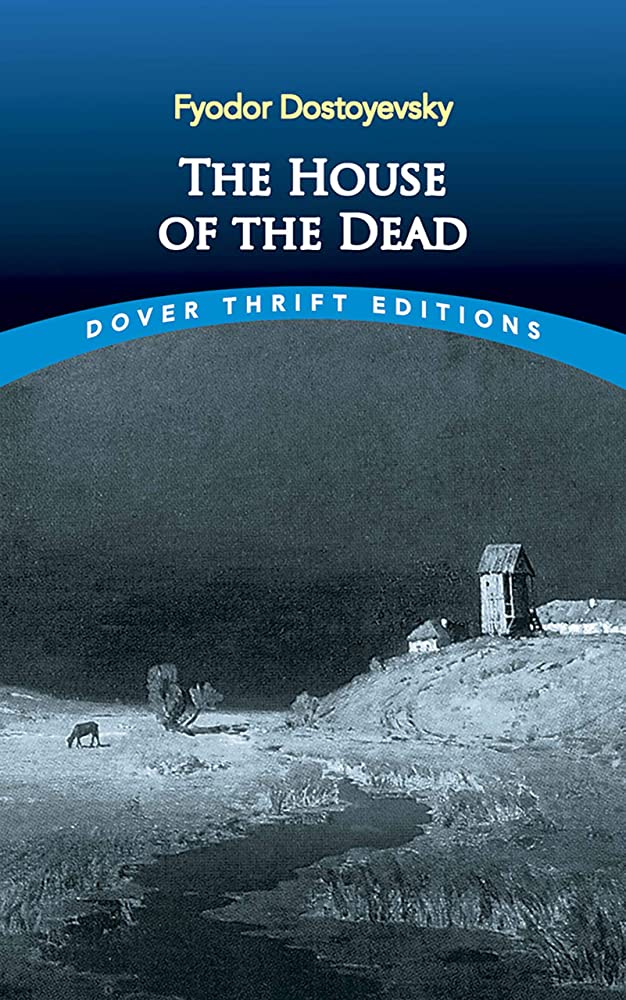
The House of the Dead and Poor Folk PDF - فيودور دوستويفسكي
فيودور دوستويفسكي • روايات أدبية • ٥٤٨ الصفحات
(0)
اقتباس
مراجعة
حفظ
مشاركة
وصف الكتاب
The House of the Dead and Poor Folk by Fyodor Dostoevsky
The House of the Dead and Poor Folk brings together two essential works by Fyodor Dostoevsky, one of the most influential writers in world literature. Read side by side, these books reveal the extraordinary range of Dostoevsky’s early and mature concerns: poverty, suffering, human dignity, punishment, compassion, social injustice, and the hidden moral life of people often ignored by society. This volume is especially valuable for readers who want to understand how Dostoevsky developed from a young writer of social realism into the profound psychological novelist behind works such as Crime and Punishment, The Idiot, Demons, and The Brothers Karamazov.
These two works offer different but deeply connected reading experiences. Poor Folk, Dostoevsky’s first published novel, is an intimate epistolary story told through letters between two impoverished people struggling to preserve tenderness, self-respect, and hope under harsh social conditions. The House of the Dead, inspired by Dostoevsky’s own years in a Siberian prison camp, is a powerful fictionalized account of life among convicts, exploring punishment not only as a legal sentence but as a spiritual, psychological, and social reality. Together, they form a compelling introduction to Dostoevsky’s lifelong interest in the souls of people living at the margins.
A Powerful Pairing of Dostoevsky’s Early Vision and Prison Experience
Poor Folk is a landmark of nineteenth-century Russian literature because it shows Dostoevsky’s early gift for portraying ordinary people with emotional depth and moral seriousness. Through the correspondence between Makar Devushkin and Varvara Dobroselova, the novel examines poverty not as an abstract social problem but as a daily pressure that shapes language, memory, pride, shame, affection, and survival. Dostoevsky gives voice to characters who are materially powerless but inwardly complex, making the reader feel the quiet drama of unpaid debts, small humiliations, fragile hopes, and the longing to be seen with dignity.
In The House of the Dead, Dostoevsky turns to a broader and darker world: the prison camp. The book is often described as semi-autobiographical because it draws from Dostoevsky’s experience of imprisonment in Siberia after his arrest in the late 1840s. Yet the work is not merely a memoir of suffering. It is a profound literary investigation of human beings under extreme confinement. Dostoevsky observes convicts from many backgrounds and temperaments, refusing to reduce them to crimes, labels, or simple moral categories. The result is one of the most memorable works about prison life, punishment, endurance, and the stubborn persistence of humanity.
Themes of Poverty, Punishment, Compassion, and Human Dignity
At the heart of The House of the Dead and Poor Folk is Dostoevsky’s conviction that every person contains a hidden inner world. In Poor Folk, this idea appears through the delicate emotional bond between two vulnerable correspondents. Their letters reveal how poverty affects the imagination and the heart, creating a life filled with dependency, anxiety, embarrassment, gratitude, and sacrifice. The novel is moving because it does not romanticize poverty; instead, it shows how deprivation can wound a person’s sense of worth while also revealing unexpected tenderness and generosity.
In The House of the Dead, the same concern expands into the prison yard, where men who have been condemned by society still possess memories, talents, contradictions, fears, humor, and spiritual hunger. Dostoevsky is fascinated by the complexity of moral judgment. He does not deny guilt or suffering, but he asks what remains of a person after public identity has been reduced to punishment. This makes the book essential reading for anyone interested in classic prison literature, Russian realism, psychological fiction, and the moral questions that define Dostoevsky’s later novels.
The combined volume also highlights Dostoevsky’s enduring attention to compassion. His compassion is not sentimental or easy; it often emerges in uncomfortable situations, among people who are flawed, desperate, proud, or wounded. He shows that pity can be complicated, that kindness can coexist with weakness, and that dignity can survive in places where society expects only degradation. This deep moral tension is one reason Dostoevsky remains so powerful for modern readers.
The Reading Experience: Intimate, Observant, and Psychologically Rich
Readers approaching The House of the Dead and Poor Folk will find two distinct styles that complement each other. Poor Folk is intimate and emotional, shaped by the rhythm of letters and the private voice of characters who reveal themselves gradually. Its drama lies in tone, confession, misunderstanding, memory, and emotional dependence. It is a short but rich novel, ideal for readers who appreciate character-driven fiction, social realism, and stories about the inner lives of people facing hardship.
The House of the Dead is more observational and episodic, built from scenes, portraits, conversations, rituals, and reflections on prison existence. It has the texture of lived experience, with Dostoevsky’s narrator moving through the details of labor, punishment, illness, religious observance, quarrels, performances, and moments of unexpected joy. The book’s power comes from accumulation: each episode adds another layer to the reader’s understanding of confinement and of the people trapped within it.
Together, these works create a strong portrait of Dostoevsky before the full flowering of his later masterpieces. The psychological depth, moral tension, sympathy for the humiliated, and interest in spiritual endurance that define his greatest novels are already present here. For readers new to Dostoevsky, this book offers a meaningful path into his world. For readers already familiar with his major novels, it provides valuable insight into the experiences and artistic concerns that shaped his mature vision.
Why This Book Matters in Dostoevsky’s Work
Poor Folk announced Dostoevsky as a writer deeply concerned with the poor, the overlooked, and the emotionally exposed. It belongs to the tradition of Russian social fiction, but its emotional intensity and psychological sensitivity point beyond simple social commentary. Dostoevsky is already interested in how people narrate their own suffering, how they protect their pride, and how love can become entangled with dependence, shame, and sacrifice.
The House of the Dead marks another decisive stage in his development. Dostoevsky’s prison years changed his understanding of humanity, guilt, faith, freedom, and suffering. In this work, he transforms that experience into literature that is both documentary in detail and philosophical in depth. The prison camp becomes a place where the author studies human nature under pressure, discovering cruelty and degradation but also resilience, humor, memory, and the desire for renewal.
For students, collectors, and serious readers of classic literature, this pairing is particularly important because it shows Dostoevsky from two angles: the young novelist of poverty and feeling, and the later witness to imprisonment and moral extremity. The result is a volume that enriches any reading of his better-known works and helps explain why Dostoevsky’s fiction continues to speak to questions of justice, conscience, suffering, and redemption.
A Classic for Readers of Russian Literature and Psychological Fiction
The House of the Dead and Poor Folk is an excellent choice for readers interested in Fyodor Dostoevsky books, Russian classics, nineteenth-century literature, philosophical fiction, and novels that explore the connection between social conditions and inner life. It will appeal to those who value emotionally serious fiction, morally complex characters, and writing that treats poverty and punishment as deeply human experiences rather than distant themes.
This volume is also rewarding for readers who want to explore Dostoevsky beyond his most famous novels. While Crime and Punishment and The Brothers Karamazov are often seen as the height of his achievement, works such as Poor Folk and The House of the Dead reveal the foundations of his art. They show his attention to the vulnerable, his suspicion of easy judgment, and his ability to discover drama in conscience, memory, humiliation, and endurance.
A Lasting Portrait of Suffering and Humanity
In The House of the Dead and Poor Folk, Dostoevsky writes about people who live under pressure: the pressure of poverty, social judgment, imprisonment, isolation, and moral pain. Yet these works are not defined only by darkness. They are also filled with moments of tenderness, recognition, reflection, and unexpected human connection. Dostoevsky’s greatness lies in his refusal to look away from suffering while also refusing to deny the complexity and dignity of those who suffer.
This collection offers a profound reading experience for anyone seeking a deeper understanding of Dostoevsky’s literary world. Through the private letters of the poor and the harsh realities of prison life, it presents a vision of humanity that is compassionate, unsparing, and unforgettable. The House of the Dead and Poor Folk remains a powerful entry point into one of literature’s greatest minds and a lasting exploration of what it means to remain human in conditions designed to diminish the human spirit.
فيودور دوستويفسكي
كان فيودور دوستويفسكي روائيًا وفيلسوفًا وكاتب مقالات روسيًا ، ويُعتبر على نطاق واسع أحد أعظم الكتاب في الأدب الغربي. ولد في موسكو عام 1821 ونشأ في عائلة من الطبقة المتوسطة. كان والده طبيبًا يعالج الفقراء مجانًا ، الأمر الذي غرس في دوستويفسكي إحساسًا عميقًا بالعدالة الاجتماعية والتعاطف مع المضطهدين.
بدأ دوستويفسكي مسيرته الكتابية في أربعينيات القرن التاسع عشر بسلسلة من الروايات والقصص القصيرة التي استكشفت تعقيدات الطبيعة البشرية والجانب المظلم للمجتمع الروسي. نُشرت روايته الرئيسية الأولى "فقراء" عام 1846 وحظيت بإشادة النقاد. ومع ذلك ، كانت أعماله اللاحقة ، مثل "الجريمة والعقاب" و "الأبله" و "الأخوان كارامازوف" ، هي التي جعلت منه أستاذًا أدبيًا.
تشتهر كتابات دوستويفسكي بعمقها النفسي وموضوعاتها الفلسفية واستكشاف حالة الإنسان. غالبًا ما تصارع شخصياته مع المعضلات الأخلاقية والأسئلة الوجودية ، وتتصارع مع قضايا الإيمان والأخلاق ومعنى الحياة. تستكشف أعماله أيضًا القضايا السياسية والاجتماعية في عصره ، بما في ذلك الفقر والجريمة والقمع السياسي.
اتسمت حياة دوستويفسكي بمأساة شخصية واضطراب سياسي. تم القبض عليه في عام 1849 لتورطه مع مجموعة من المثقفين الليبراليين وحُكم عليه بالإعدام ، فقط لتخفف العقوبة إلى الأشغال الشاقة في سيبيريا. عاد إلى روسيا بعد أن قضى عقوبته ، لكنه استمر في النضال ضد الفقر والمرض طوال حياته. توفي عام 1881 عن عمر يناهز 59 عامًا.
على الرغم من حياته المضطربة ، فإن إرث دوستويفسكي ككاتب ومفكر لا يزال قائما. تستمر أعماله في القراءة والدراسة على نطاق واسع اليوم ، ولا تزال أفكاره حول الحالة الإنسانية ودور الإيمان في المجتمع تلقى صدى لدى القراء في جميع أنحاء العالم.
اكسب مكافآت أثناء القراءة!
كل 10 صفحات تقرؤها وتقضى فيها 30 ثانية تمنحك 5 نقاط مكافأة! واصل القراءة لفتح الإنجازات والمزايا الحصرية.
اقرأ
قيم الآن
5 نجوم
4 نجوم
3 نجوم
2 نجوم
1 نجوم
اقتباسات The House of the Dead and Poor Folk
الأعلى تقييماً
الأحدث
اقتباس
كن أول من يترك اقتباسًا واكسب 10 نقاط
بدلاً من 3
'%20/%3e%3c/svg%3e "The Brothers Karamazov")
التعليقات
كن أول من يترك تعليقًا واكسب 5 نقاط
بدلاً من 3