

مصدر الكتاب
تم نشر هذا الكتاب بهدف النفع العام، وذلك بموجب رخصة المشاع الإبداعي، أو بناءً على موافقة من المؤلف أو دار النشر. في حال وجود أي اعتراض على النشر، يُرجى التواصل معنا لنتخذ الإجراء المناسب.
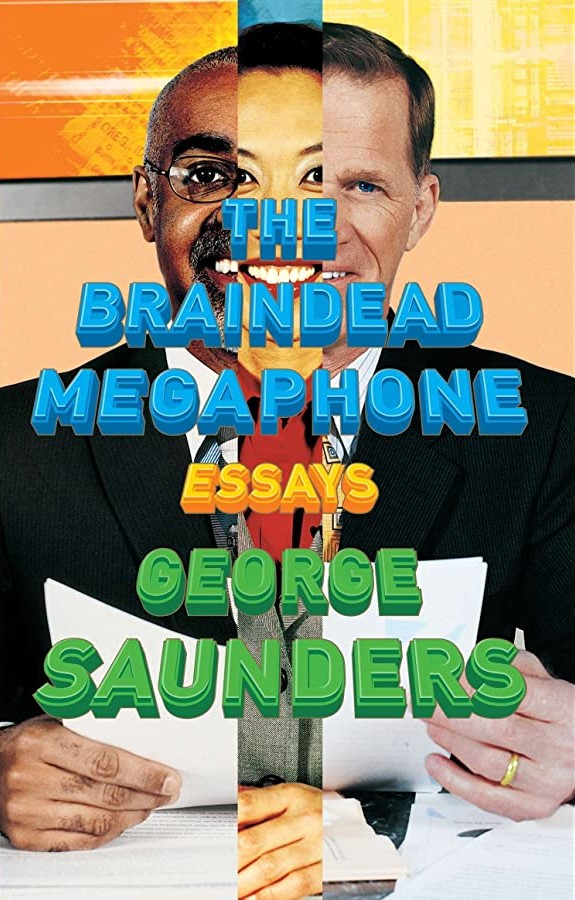
The Braindead Megaphone PDF - جورج سوندرز
جورج سوندرز • روايات أدبية • ١٥٥ الصفحات
(0)
اقتباس
مراجعة
حفظ
مشاركة
وصف الكتاب
The Braindead Megaphone by George Saunders
The Braindead Megaphone by George Saunders is a sharp, funny, and deeply observant collection of nonfiction essays that brings one of contemporary American literature’s most distinctive voices into the worlds of politics, media, travel writing, literary criticism, and cultural reflection. Published by Riverhead Books in 2007, this 272-page collection is Saunders’s first nonfiction collection, gathering essays that explore how public language shapes private thought, how stories influence moral imagination, and how modern culture often rewards the loudest voice rather than the wisest one. (PenguinRandomhouse.com)
A Brilliant Essay Collection on Media, Politics, Travel, and Literature
At the heart of The Braindead Megaphone is Saunders’s concern with the noise of modern public life. The title essay uses the image of a loud, empty voice dominating a room to examine the way mass media can flatten thought, simplify complex issues, and train people to respond to volume instead of depth. Saunders does not approach these questions like a distant academic or a predictable political commentator. Instead, he writes with the imagination of a fiction writer, the timing of a humorist, and the moral seriousness of someone who believes that language has real consequences.
The result is a collection that feels both intellectually alive and highly readable. Saunders moves between satire, personal reflection, cultural criticism, and literary appreciation with remarkable ease. His essays do not simply argue; they notice, question, dramatize, and turn ideas over from unexpected angles. Readers searching for George Saunders essays, American literary nonfiction, media criticism, or thoughtful political essays will find a book that speaks directly to the anxieties of the modern information age while remaining playful, humane, and stylistically original.
The Reading Experience: Funny, Restless, and Morally Alert
One of the great pleasures of The Braindead Megaphone is the way Saunders combines comedy with seriousness. His nonfiction carries the same alertness found in his fiction: a sensitivity to absurdity, a distrust of cruelty, and a belief that people are often more complicated than the slogans used to describe them. Even when writing about public discourse, political conflict, or national confusion, Saunders avoids easy cynicism. He is skeptical, but not cold; critical, but not self-righteous; funny, but never merely dismissive.
This makes the collection especially rewarding for readers who enjoy essays that are intellectually engaging without being dry. Saunders can move from a comic image to a serious ethical question in a single turn, allowing the reader to feel both entertained and challenged. His sentences often have a conversational rhythm, but beneath that apparent ease is a writer carefully weighing tone, implication, and emotional truth. The book is ideal for readers who appreciate literary essays with humor, social commentary, and nonfiction that treats comedy as a way of seeing more clearly rather than escaping difficult subjects.
Travel Essays with a Larger Cultural Purpose
The collection also includes travel writing that expands the book beyond American media and politics. Saunders writes about trips connected with the “Buddha Boy” of Nepal, the extravagance of Dubai, and the Minutemen at the Mexican border, placing himself inside unfamiliar or charged environments and using those encounters to think about belief, spectacle, privilege, borders, and the stories people tell about themselves and others. (PenguinRandomhouse.com)
These essays are not simple travel pieces in the decorative sense. Saunders is less interested in collecting exotic detail than in examining how perception works: what the observer brings to a place, what the place resists, and how quickly a person’s assumptions can become part of the story. His travel writing is curious, uneasy, often funny, and frequently self-questioning. This gives the book a strong appeal for readers of literary travel writing, cultural essays, and nonfiction that uses real-world encounters as a way to investigate power, imagination, and moral responsibility.
A Writer Thinking Through Other Writers
Another important part of The Braindead Megaphone is Saunders’s engagement with literature itself. The collection includes reflections on writers such as Mark Twain, Kurt Vonnegut, and Esther Forbes, showing Saunders not only as a major contemporary author but also as a serious reader thinking about craft, compression, humor, influence, and the moral energy of storytelling. (PenguinRandomhouse.com)
These literary essays will be especially valuable to readers interested in creative writing, fiction craft, and the relationship between literature and life. Saunders writes about books not as museum objects but as living forces that shape attention and feeling. He is drawn to writing that enlarges perception, complicates judgment, and resists the deadening effects of cliché. For aspiring writers, students, and serious readers, this part of the collection offers insight into how Saunders thinks about sentences, narrative pressure, comedy, and the ethical possibilities of art.
Why The Braindead Megaphone Still Matters
Although The Braindead Megaphone was published in 2007, its central concerns feel strikingly relevant to readers navigating today’s crowded media landscape. Saunders’s metaphor of the loud, dominant voice remains powerful because it captures a lasting problem: when public conversation becomes noisy, repetitive, and emotionally manipulative, people may begin to mistake intensity for truth. The book asks readers to consider how language shapes attention, how attention shapes judgment, and how judgment shapes public life.
What makes Saunders’s approach so effective is that he does not reduce the problem to one party, one platform, or one moment. His deeper subject is the human vulnerability to oversimplified stories. He understands that people are drawn to strong narratives, easy villains, and confident voices, especially when the world feels confusing. By exposing that tendency with wit and compassion, Saunders encourages a more patient form of thinking. The book becomes not only a critique of media culture but also a quiet defense of imagination, humility, and careful language.
For Readers of George Saunders and Literary Nonfiction
The Braindead Megaphone is a natural choice for readers who already admire George Saunders, especially those who know him through his short stories, his novel Lincoln in the Bardo, or his later reflections on reading and writing. Saunders is the author of works including Lincoln in the Bardo, which won the Man Booker Prize, and the story collections Pastoralia and Tenth of December; he has also received major literary recognition including a MacArthur Fellowship and the PEN/Malamud Award for Excellence in Short Fiction. (georgesaundersbooks.com)
At the same time, this book is also an excellent entry point for readers who prefer nonfiction. It offers the pleasure of Saunders’s voice without requiring familiarity with his fiction, and it shows how his imagination operates when turned toward essays, criticism, reportage, and public life. Readers interested in modern American essays, satirical nonfiction, political and cultural commentary, or books about media and society will find a collection that is both accessible and unusually rich.
A Collection About Attention, Imagination, and Responsibility
The lasting value of The Braindead Megaphone lies in its insistence that how we speak and listen matters. Saunders treats language as a moral environment. Bad language can reduce people, shrink the imagination, and make cruelty easier; better language can restore complexity, humor, sympathy, and doubt. This theme runs through the collection whether Saunders is discussing politics, travel, literature, national identity, or the strange habits of modern communication.
For readers who want nonfiction that is intelligent without being heavy, comic without being shallow, and critical without losing compassion, The Braindead Megaphone by George Saunders remains a memorable and rewarding book. It is an essay collection that listens carefully to a noisy world, then answers that noise with wit, clarity, and a deeply humane intelligence.
جورج سوندرز
جورج ساندرز كاتب أمريكي معاصر يُعد من أبرز الأصوات الأدبية في القصة القصيرة والرواية الساخرة ذات البعد الإنساني العميق، وقد بنى مكانته من خلال قدرة نادرة على الجمع بين الخيال الغرائبي، والنقد الاجتماعي، والفكاهة السوداء، والتعاطف الواسع مع الشخصيات الهشة أو المهمشة. وُلد ساندرز في تكساس ونشأ في بيئة أمريكية عادية قبل أن يسلك طريقاً غير تقليدي نحو الأدب؛ فقد درس الهندسة الجيوفيزيائية وعمل في مجالات تقنية ومهنية مختلفة، ثم انتقل إلى الكتابة الإبداعية، وهو انتقال ترك أثراً واضحاً في أسلوبه، إذ تبدو نصوصه شديدة الوعي بالبنى الاقتصادية والإدارية والتقنية التي تتحكم في حياة الإنسان الحديث. يشتهر جورج ساندرز بكتاباته التي تكشف توتر الفرد داخل المجتمع الاستهلاكي، وتفضح اللغة المؤسسية حين تتحول إلى أداة لإخفاء القسوة أو تبرير الظلم، لكنه لا يكتب من موقع الوعظ المباشر، بل يصنع عوالم قصصية طريفة ومقلقة في الوقت نفسه، حيث يمكن للضحك أن يقود القارئ إلى سؤال أخلاقي مؤلم. من أبرز أعماله CivilWarLand in Bad Decline وPastoralia وTenth of December وLiberation Day، وهي مجموعات قصصية رسخت شهرته بوصفه سيداً من سادة القصة القصيرة الأمريكية الحديثة. كما حقق إنجازاً عالمياً كبيراً بروايته Lincoln in the Bardo، التي فازت بجائزة بوكر، وفيها استخدم بنية متعددة الأصوات لاستكشاف الحزن والموت والذاكرة من خلال لحظة تاريخية مرتبطة بالرئيس أبراهام لنكولن وابنه الراحل. تميزت هذه الرواية بقدرتها على المزج بين التاريخ والخيال والروحانية، وبين السخرية والمراثي، فبدت امتداداً طبيعياً لاهتمام ساندرز القديم بسؤال الرحمة: كيف يمكن للأدب أن يجعل الإنسان أكثر انتباهاً إلى ألم الآخرين؟ إلى جانب الرواية والقصة، كتب ساندرز مقالات وتأملات في الكتابة والقراءة، ومن أشهر كتبه في هذا المجال A Swim in a Pond in the Rain، الذي يستند إلى خبرته الطويلة في تدريس القصص الروسية الكلاسيكية، ويقدم رؤية دقيقة لكيفية عمل السرد، وكيف تتولد الحركة الأخلاقية والجمالية داخل النص. يعمل ساندرز أستاذاً للكتابة الإبداعية في جامعة سيراكيوز، وقد أثر في أجيال من الكتاب من خلال دروسه التي توازن بين الصرامة الفنية والدفء الإنساني. نال خلال مسيرته زمالات وتكريمات أدبية رفيعة، منها زمالة ماك آرثر، وزمالة غوغنهايم، وجائزة بن مالامود للتميز في القصة القصيرة، كما أدرجته مجلة تايم ضمن الشخصيات المؤثرة عالمياً في عام 2013، وحصل على ميدالية الإسهام المتميز في الآداب الأمريكية عام 2025. وتكشف أعماله الأحدث، مثل Vigil، استمرار انشغاله بالموت والمسؤولية الأخلاقية والعدالة البيئية وسؤال المصير الإنساني في عالم تهيمن عليه القوة والمال والتبرير الذاتي. إن أهمية جورج ساندرز لا تكمن فقط في الجوائز التي حصدها أو في شهرته بين القراء والنقاد، بل في قدرته على إعادة تعريف القصة القصيرة بوصفها مساحة فكرية وعاطفية مكثفة، قادرة على مساءلة الرأسمالية، والعنف الناعم، واللامبالاة اليومية، من دون أن تفقد حسها باللعب والدهشة. أسلوبه يعتمد على الجمل المرنة، والحوار الحي، والأصوات المتعددة، والمفارقات التي تبدأ مضحكة وتنتهي كاشفة. ولذلك يمثل ساندرز خياراً مهماً لكل قارئ يبحث عن أدب أمريكي حديث يجمع بين الذكاء الفني والعمق الأخلاقي، وبين التجريب السردي والقدرة على لمس القلب. في عالمه لا تكون الشخصيات مجرد رموز اجتماعية، بل كائنات تبحث عن فرصة صغيرة للنجاة أو الفهم أو الغفران، وهذا ما يجعل كتابته قابلة للقراءة المتجددة ومؤثرة في سياقات ثقافية متعددة.
اكسب مكافآت أثناء القراءة!
كل 10 صفحات تقرؤها وتقضى فيها 30 ثانية تمنحك 5 نقاط مكافأة! واصل القراءة لفتح الإنجازات والمزايا الحصرية.
اقرأ
قيم الآن
5 نجوم
4 نجوم
3 نجوم
2 نجوم
1 نجوم
اقتباسات The Braindead Megaphone
الأعلى تقييماً
الأحدث
اقتباس
كن أول من يترك اقتباسًا واكسب 10 نقاط
بدلاً من 3
'%20/%3e%3c/svg%3e "Tenth Of December")
التعليقات
كن أول من يترك تعليقًا واكسب 5 نقاط
بدلاً من 3