

مصدر الكتاب
تم نشر هذا الكتاب بهدف النفع العام، وذلك بموجب رخصة المشاع الإبداعي، أو بناءً على موافقة من المؤلف أو دار النشر. في حال وجود أي اعتراض على النشر، يُرجى التواصل معنا لنتخذ الإجراء المناسب.
اقتباس
مراجعة
حفظ
مشاركة
وصف الكتاب
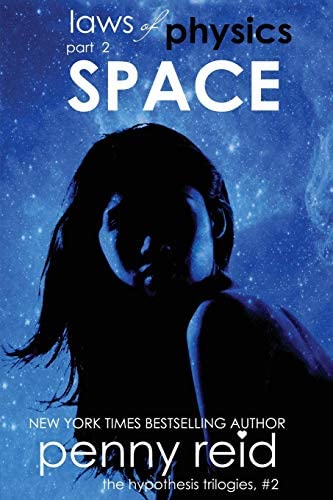
Space by Penny Reid: A Smart, Snowbound Second-Chance Romance
Space by Penny Reid is the second installment in the Laws of Physics trilogy, continuing the complicated and emotionally charged romance between Mona DaVinci and Abram Harris after the events of Motion. As part two of their three-book story, Space shifts the relationship from mistaken identity and secret-filled attraction into a more painful, mature stage: reunion, anger, forgiveness, and the question of whether two people who once shared something intense can face each other honestly after everything has changed. Penny Reid’s official listing places Space as Laws of Physics #2, with the trilogy continuing into Time.
A Private Cabin, a Snowstorm, and Everything Left Unsaid
At the center of Space is a reunion neither Mona nor Abram is truly prepared for. Mona has planned a quiet period of rest, but her carefully arranged solitude is disrupted when her older brother’s group of friends arrives unexpectedly—including Abram, the one person she hoped she would not have to face again. The official premise frames the book around one week, a private cabin, a famous physicist, and an unrepentant slacker, immediately creating the perfect setup for forced proximity, emotional tension, and unfinished business.
The mountain setting gives the novel a concentrated, intimate atmosphere. Snow, isolation, and close quarters make avoidance nearly impossible. Mona cannot simply disappear into work, academic discipline, or distance. Abram cannot ignore the woman who once entered his life under false pretenses and left him with feelings he did not know how to resolve. The result is a snowbound romance full of sharp conversations, painful silences, lingering attraction, and the constant pressure of all the things they never said.
Mona DaVinci: Brilliant, Guilty, and No Longer Able to Hide
Mona remains one of Penny Reid’s most distinctive heroines: a scientific genius with a carefully controlled life, a deeply analytical mind, and a tendency to rely on logic when emotions become overwhelming. In Motion, she is forced into deception to protect her sister, and that lie becomes the foundation of her complicated connection with Abram. In Space, Mona is no longer simply trying to survive the lie; she has to face its consequences.
Her emotional conflict is built around guilt and longing. Mona wants forgiveness, but she also understands that forgiveness cannot be demanded just because the truth is painful. She knows she hurt Abram. She knows her reasons may not erase the damage. This gives her journey depth beyond a typical second-chance romance. She is not only hoping to reconnect with the man who still affects her too deeply; she is trying to decide whether she deserves his trust, his attention, or his heart.
For readers who enjoy STEM heroine romance, genius heroine romance, and emotionally intelligent new adult stories, Mona’s arc in Space is especially rewarding. Her brilliance does not protect her from vulnerability. In fact, the novel shows how difficult it can be for someone so used to intellectual control to enter emotional territory where there are no neat formulas, no predictable outcomes, and no guaranteed solution.
Abram Harris: Angry, Wounded, and Still Impossible to Resist
Abram Harris enters Space carrying the emotional fallout of Motion. He is not simply the relaxed, artistic, charming musician Mona remembers. He is angry. He has been hurt, and that hurt gives the reunion a sharp edge. The official tagline captures the central emotional conflict clearly: Mona wants forgiveness, while Abram wants revenge.
What makes Abram compelling is that his anger does not erase the emotional pull between him and Mona. He may want distance, answers, or retribution, but he is still affected by her presence. Their chemistry remains alive, even when trust has been damaged. This creates a romance where desire and resentment exist side by side, making every interaction feel charged. Abram’s artistic, instinctive nature contrasts beautifully with Mona’s scientific control, and in Space, that contrast becomes more emotionally complex because both characters are now aware of what it costs to feel too much.
Abram is not merely a romantic obstacle for Mona to overcome. He has his own hurt, pride, confusion, and need for honesty. The book gives weight to the fact that deception leaves a mark, even when it begins for understandable reasons. His anger matters because his feelings mattered. His guardedness matters because he was vulnerable before. That emotional realism makes the romance more satisfying than a simple reunion built only on attraction.
Forced Proximity and Second-Chance Chemistry
Space works beautifully as a forced proximity romance because the physical situation mirrors the emotional one. Mona and Abram are trapped in the same snowy environment, but they are also trapped with the memory of what happened between them. The private cabin setting creates opportunities for banter, confrontation, awkward intimacy, and moments where old chemistry becomes impossible to ignore. Yet the story never treats proximity as a magical fix. Being near each other does not instantly repair the damage. It only makes honesty unavoidable.
The second-chance element is especially strong because Mona and Abram’s relationship did not end cleanly. Their first connection was intense but unstable, shaped by hidden identity, family complications, and feelings that arrived faster than either character could process. In Space, they must confront the difference between chemistry and trust. Attraction may still exist, but attraction alone cannot answer the questions between them. Can Abram forgive Mona? Can Mona forgive herself? Can two people build something real after beginning from something false?
The Laws of Physics Trilogy and the Hypothesis World
Space is part of Laws of Physics, the second trilogy in Penny Reid’s larger Hypothesis series. The official series page lists Motion, Space, and Time as the three parts of Mona and Abram’s story, with Space positioned as the middle installment. This placement matters because the book is not designed as a standalone romance. It continues directly from Motion and leads into Time, developing the relationship in stages rather than resolving everything in one volume.
As the middle book, Space carries the emotional burden of deepening the conflict. Motion sets the attraction in motion; Space expands the emotional distance between who Mona and Abram were during their first week together and who they have become by the time they meet again. The trilogy structure allows Penny Reid to explore the relationship with more complexity, giving readers the spark, the damage, and eventually the resolution across three connected books.
Smart Romance with Science, Music, and Emotional Gravity
The title Space fits the book on multiple levels. It suggests physical distance, emotional distance, and the private room each character needs before they can understand what happened between them. Mona and Abram are drawn together, but they also need space to feel anger, regret, curiosity, and longing without pretending that everything is simple. The science-themed title also continues the intellectual flavor of the series, making the book appealing to readers who enjoy smart romance, science-themed romance, and love stories where emotional dynamics are explored with wit and precision.
The contrast between Mona’s world of physics and Abram’s world of music gives the romance its distinctive personality. She thinks in structures, systems, and consequences. He feels through rhythm, instinct, and expression. Their differences create friction, but they also create fascination. In Space, the question is not whether they are drawn to each other; that is obvious. The question is whether two people with such different ways of processing pain can learn how to meet each other honestly.
Why Readers Enjoy Space
Space is ideal for readers who enjoy new adult romance, second-chance romance, forced proximity, snowbound romance, STEM romance, and emotionally messy love stories with sharp humor and strong character development. It offers the intellectual playfulness Penny Reid readers expect while adding a more serious emotional edge. Mona and Abram’s reunion is funny at times, tense at others, and often painful because both characters are trying to protect themselves from a connection that still feels dangerously alive.
The book also appeals to readers who like romances with unresolved emotional history. Mona and Abram do not meet as strangers in this installment; they meet as two people who once created something meaningful and then lost it through deception, fear, and silence. That history gives their conversations weight. It makes every glance, argument, and almost-tender moment feel important. Their chemistry is still present, but now it has gravity.
A Snowy, Emotional Middle Chapter in Mona and Abram’s Story
Space by Penny Reid is a smart, romantic, and emotionally intense continuation of the Laws of Physics trilogy. With its private cabin setting, snowy forced proximity, genius physicist heroine, wounded musician hero, second-chance tension, and unresolved emotional conflict, the book deepens Mona and Abram’s relationship in a way that feels both painful and addictive.
This is a romance about what happens after the first spark has already caused damage. Mona wants forgiveness. Abram wants answers, distance, and perhaps revenge. Yet neither of them can ignore the fact that the space between them is still filled with attraction, memory, and unfinished feeling. As the middle installment of the trilogy, Space turns chemistry into consequence, longing into confrontation, and one snowbound week into the emotional bridge between heartbreak and the possibility of something real.
بيني ريد
بيني ريد كاتبة أمريكية معاصرة اشتهرت في أدب الرومانسية الكوميدية الذكية، وارتبط اسمها لدى القراء بأسلوب يمزج بين العاطفة، وخفة الظل، والحوار اللامع، والشخصيات التي تبدو قريبة من الحياة اليومية لا مجرد نماذج رومانسية تقليدية. تُعرف بيني ريد بأنها من الكاتبات الأكثر مبيعًا في قوائم كبرى مثل «نيويورك تايمز» و«وول ستريت جورنال» و«يو إس إيه توداي»، وقد بنت شهرتها عبر عالم روائي واسع يحب القراء العودة إليه بسبب دفئه، وتفاصيله، وقدرته على الجمع بين المتعة والذكاء. قبل تفرغها للكتابة، عملت في مجال كتابة مقترحات المنح الفيدرالية كباحثة ذات خلفية في العلوم الطبية الحيوية، وهو ما انعكس على كثير من أعمالها من خلال اهتمامها بالشخصيات الذكية، والبطلات المستقلات، والأبطال الذين لا يكتفون بالجاذبية الخارجية بل يحملون عمقًا نفسيًا وفكريًا واضحًا. ومن أبرز سلاسلها الروائية سلسلة «الحياكة في المدينة»، التي تقدم مجموعة من الصديقات في إطار حضري مرح، وسلسلة «الإخوة وينستون»، التي منحتها حضورًا قويًا في الرومانسية ذات الطابع العائلي والبلدات الصغيرة، إضافة إلى أعمال مرتبطة بعوالم مثل «الفرضية»، و«الرغبي»، و«حل الفطيرة»، و«القوم الطيبون». تتميز كتابات بيني ريد بما يمكن وصفه بالرومانسية الواعية؛ فهي لا تكتفي ببناء علاقة حب جذابة، بل تهتم بمسارات النضج، وسوء الفهم، والاختيارات الشخصية، وحدود الأسرة، وقيمة الصداقة، ومعنى أن يجد الإنسان شخصًا يراه بصدق. كما أن حسها الفكاهي لا يأتي غالبًا من المواقف السطحية فقط، بل من المفارقة، والذكاء اللفظي، والتوتر بين الشخصيات، والقدرة على جعل التفاصيل الصغيرة نافذة لفهم أكبر لطبيعة الحب. يحب قراء بيني ريد حضور الثقافة الشعبية، والإشارات العلمية، والحوارات السريعة، والشخصيات النسائية ذات الإرادة، والشخصيات الرجالية التي تتطور تدريجيًا بدل أن تكون مثالية منذ البداية. وتُعد أعمالها مناسبة لمن يبحث عن روايات رومانسية تجمع بين المتعة، والدفء، والبناء العاطفي المتدرج، واللغة القريبة من القارئ. خارج الكتابة، تُعرف بيني ريد بحبها للحياكة والأعمال اليدوية، كما ارتبط اسمها بمبادرة «رومانسية الأذكياء»، وهي مساحة نشر واحتضان إبداعي دعمت أصواتًا متنوعة في أدب الرومانسية. هذا البعد المجتمعي يعكس إيمانها بأن الرواية الرومانسية ليست نوعًا خفيفًا فحسب، بل مساحة أدبية قادرة على تمثيل التجارب الإنسانية، والاختلافات الثقافية، والرغبات العاطفية بصدق وذكاء. لذلك تحتل بيني ريد مكانة مميزة بين كاتبات الرومانسية الحديثة، لأنها تقدم قصص حب ممتعة يمكن قراءتها للتسلية، لكنها تترك أيضًا أثرًا من التعاطف، والضحك، والتفكير في العلاقات، والهوية، والاختيار، والروابط التي تصنع معنى البيت والانتماء.
اكسب مكافآت أثناء القراءة!
كل 10 صفحات تقرؤها وتقضى فيها 30 ثانية تمنحك 5 نقاط مكافأة! واصل القراءة لفتح الإنجازات والمزايا الحصرية.
اقرأ
قيم الآن
5 نجوم
4 نجوم
3 نجوم
2 نجوم
1 نجوم
اقتباسات Space
الأعلى تقييماً
الأحدث
اقتباس
كن أول من يترك اقتباسًا واكسب 10 نقاط
بدلاً من 3
'%20/%3e%3c/svg%3e "Neanderthal Seeks Human")
التعليقات
كن أول من يترك تعليقًا واكسب 5 نقاط
بدلاً من 3